
Moving Away from Ash Wood
Adapting responsibly
Moving away from ash wood
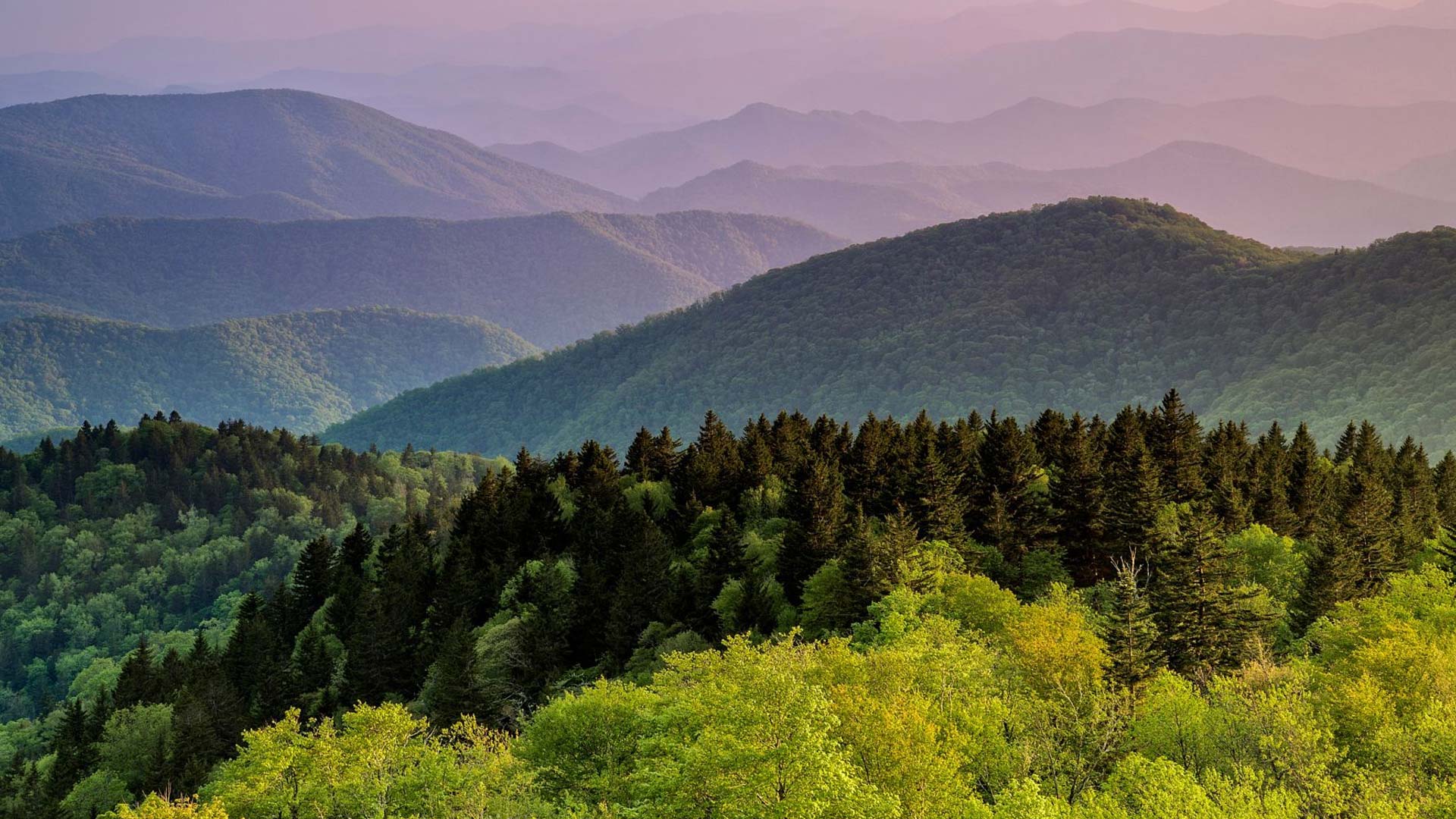
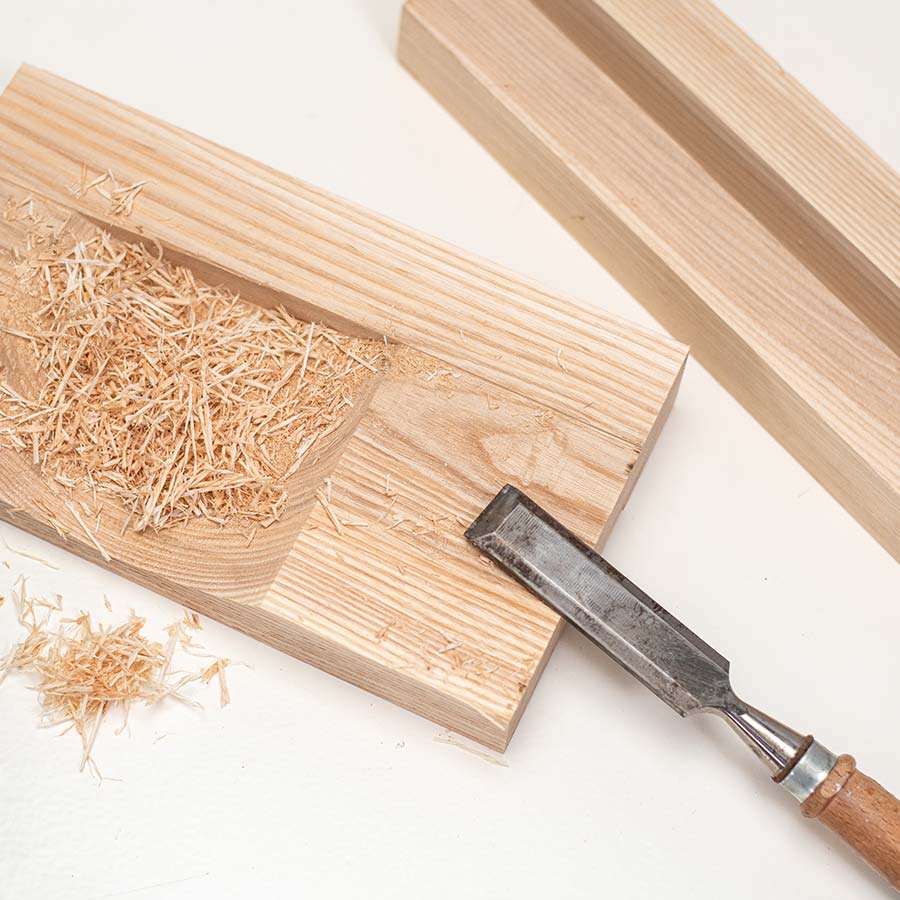
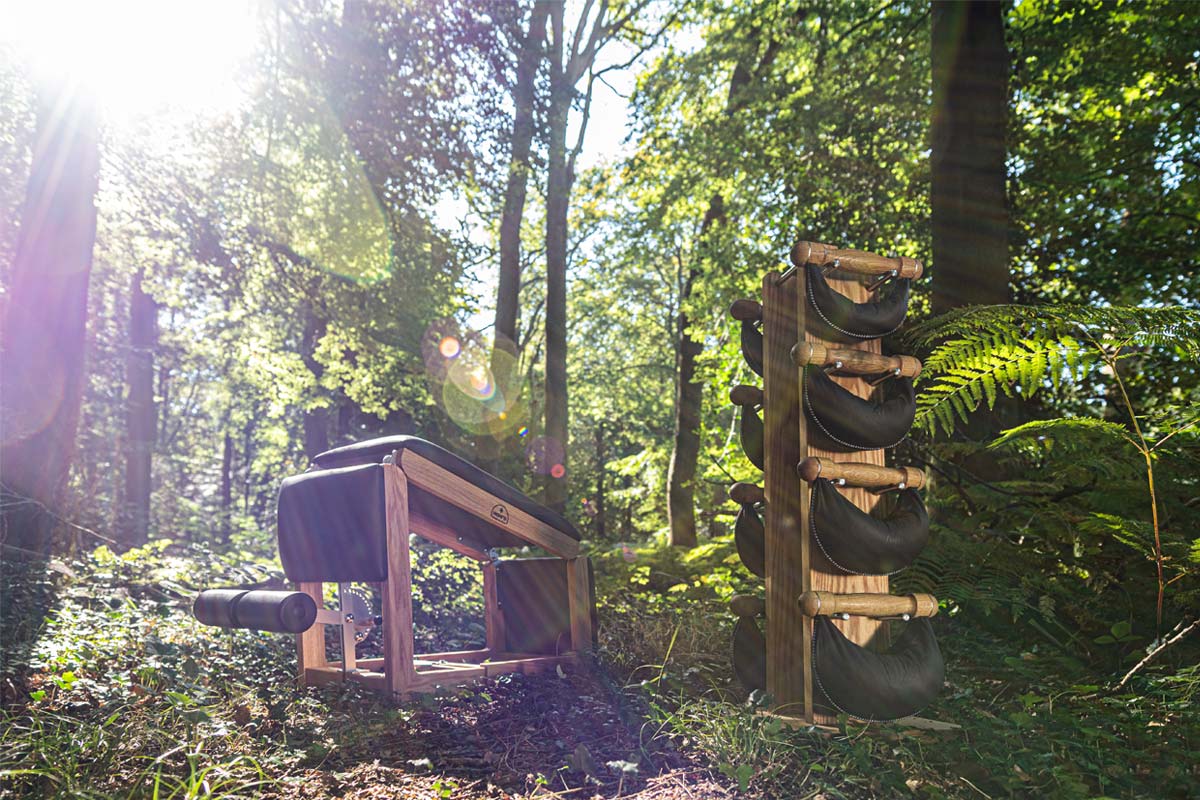
For us, manufacturing fitness equipment from ash wood has always symbolized quality and sustainability. However, times have changed. The ash tree, which has long been a source of our high-quality wood, is facing a rapid decline in the United States and Europe. Various factors, including prolonged heatwaves, fungal diseases, and the notorious Emerald Ash Borer (EAB), have dramatically reduced its populations.
WATERROWER | NOHRD
Infestation
Emerald Ash Borer
Once celebrated for their adaptability and diversity, ash forests are now suffering due to the impact of the Emerald Ash Borer. This invasive beetle, which likely arrived in the United States from Asia in the late 1990s, has relentlessly spread, devastating ash tree populations along the way. Ash trees were once among the dominant tree species in the U.S., with over nine billion trees. However, the Emerald Ash Borer has decimated a significant portion of these trees in a short span of time.
Ecological
Impact
The consequences of this development are severe. In the Appalachian region, where we source our wood, ash trees account for approximately 5% of the forest. Ash trees are renowned for their straight growth and impressive size, making them a valuable resource. Moreover, they serve as critical habitats and food sources for a wide variety of wildlife, from butterflies to beavers.
Our Decision
Environmental responsibility
Sustainability
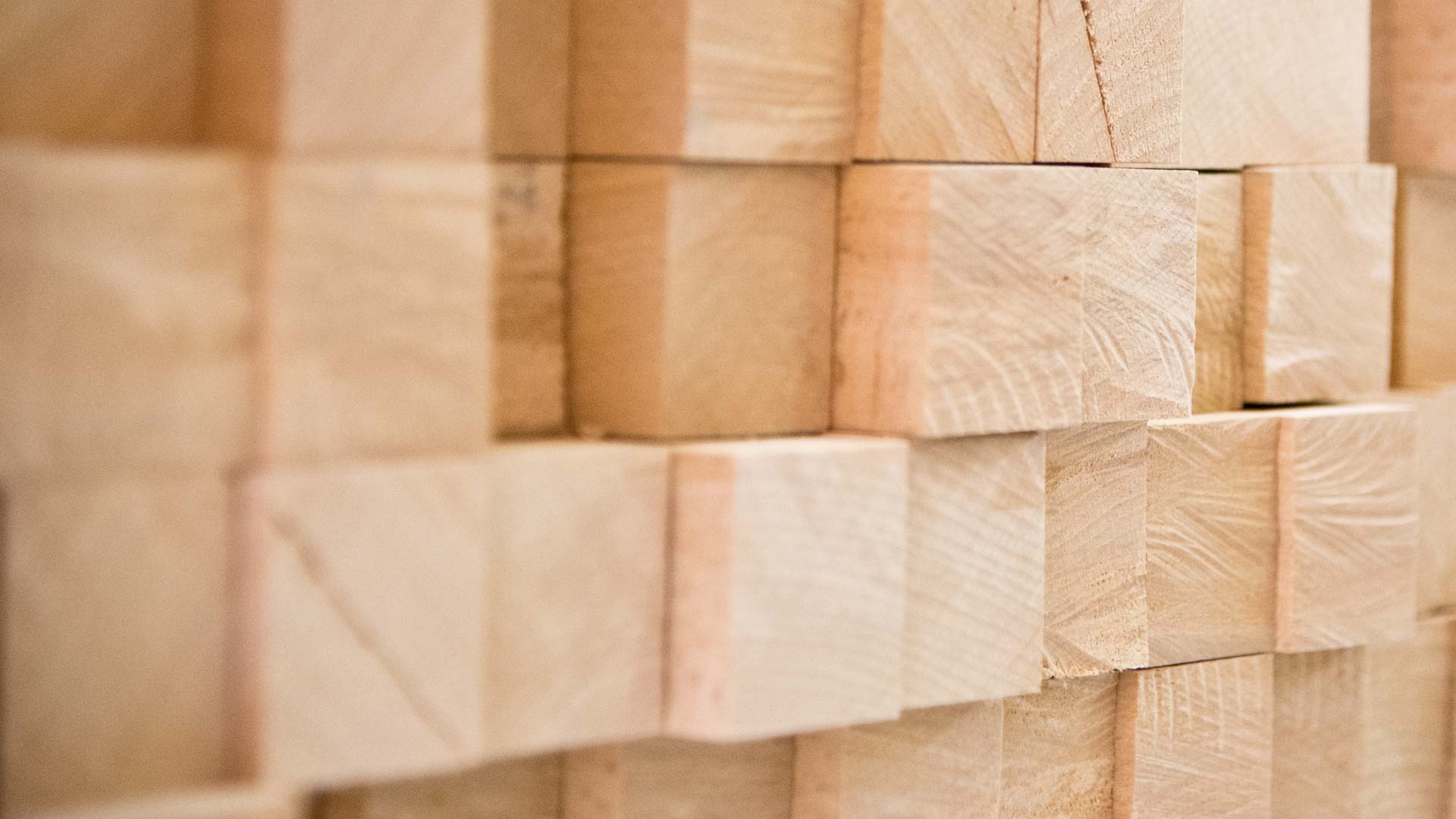
The increasing scarcity of healthy ash wood has resulted in significantly higher costs for procurement. As always, we remain committed to ensuring our materials are sustainably sourced, which includes responsible management of finite resources. Although efforts are being made to replant ash trees in affected areas, they cannot grow in the same density to fulfill their traditional functions. We will be following the development of ash tree populations in sustainable forestry, and we remain hopeful for a better future for this valuable wood.